The Cake To Live For

HISTORY

SWEET POTATOES, SUGAR & THE SLAVE TRADE

Let me ask you something.

WHEN YOU EAT SWEET POTATO CAKE, OR PIES, AND SUGAR

SWEET POTATOES

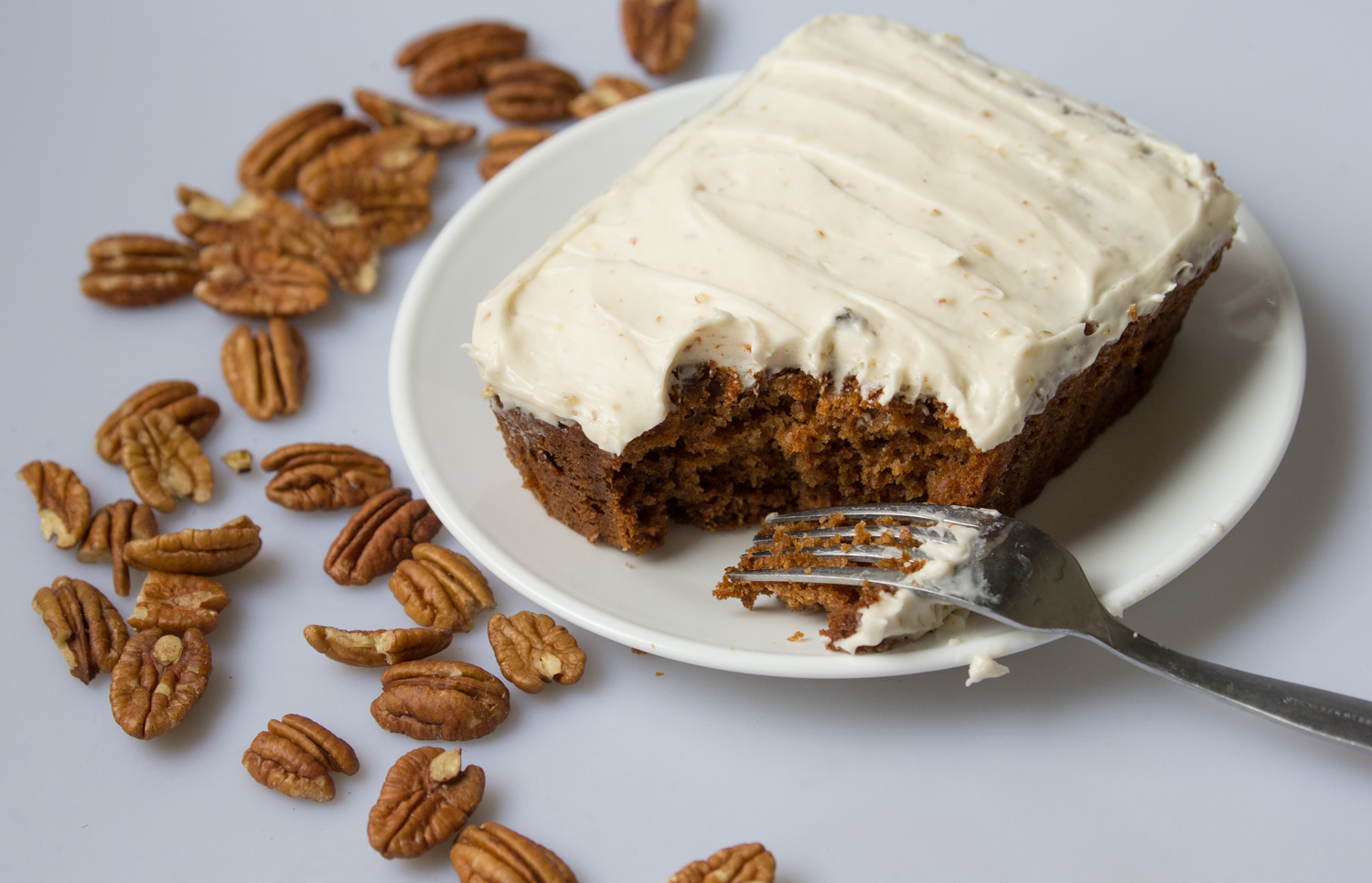
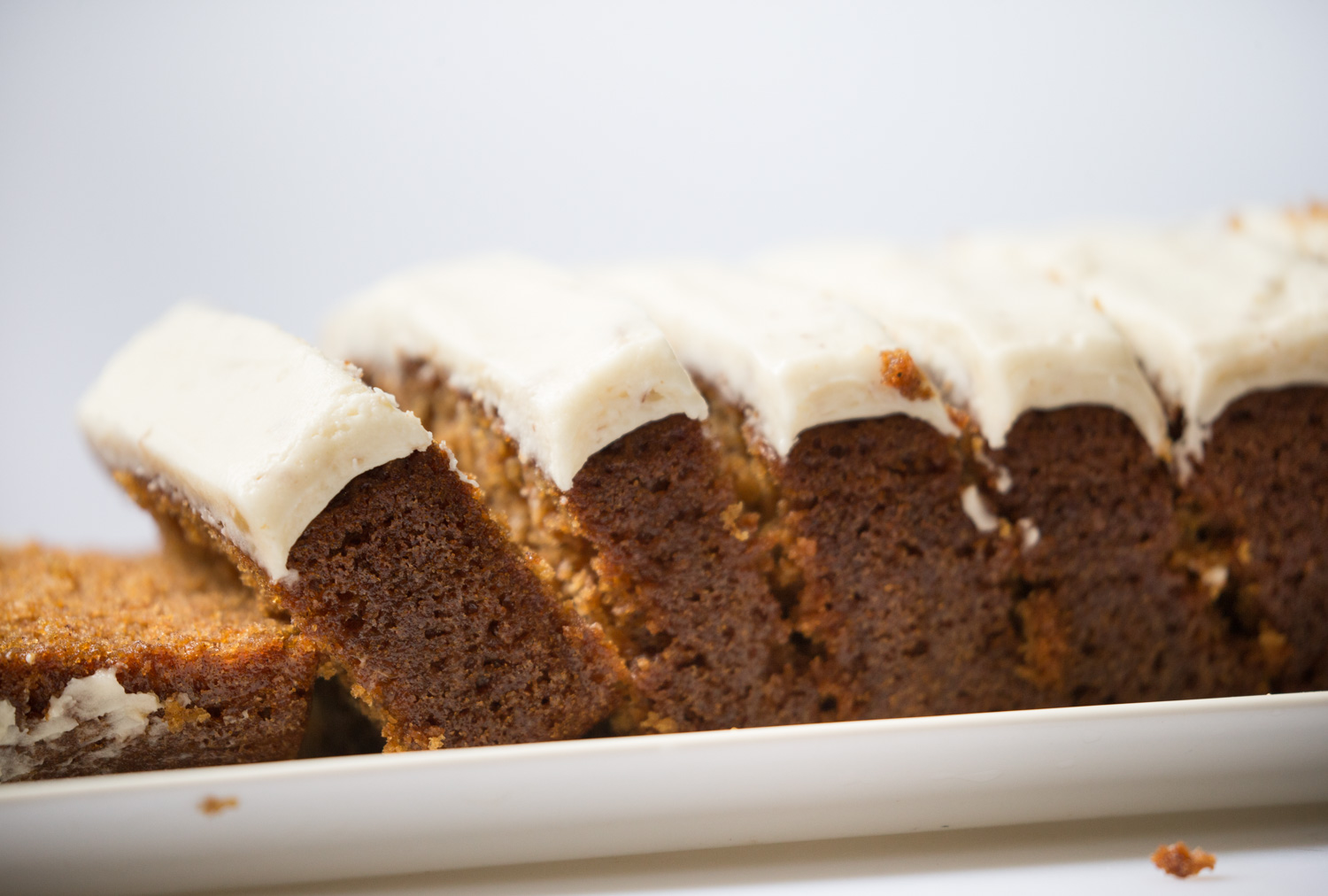
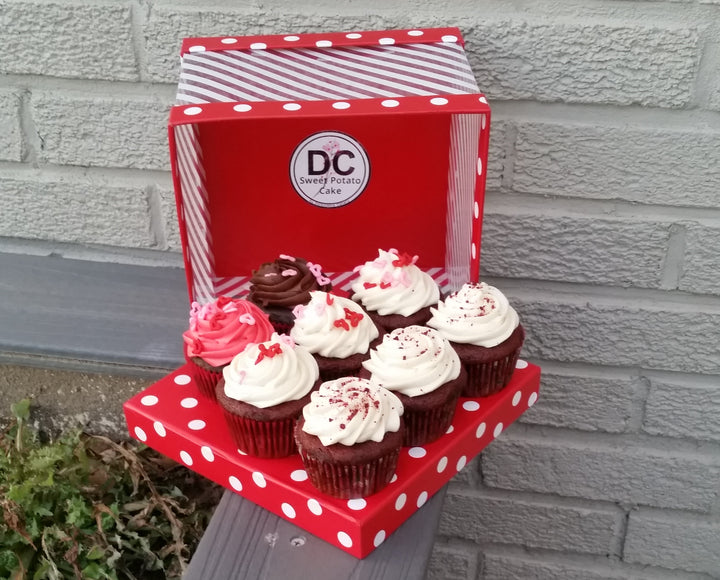
At DC Sweet Potato Cake, we use sweet potatoes and sugar as our foundation. Most people taste comfort and few people pause long enough to consider how those two ingredients became staples in American desserts.

During the Middle Passage, enslaved Africans were given yams as part of minimal rations that were fed to them not for nourishment, but more so survival. When enslaved Africans arrived in the Americas, they encountered sweet potatoes. Different crop. Similar texture. Similar purpose.
The word “yam”

The word “yam” traces back to the West African word nyami, meaning “to eat.” Within the word nyami is the word yam. Language traveled across the Atlantic just like people did.

Many began calling sweet potatoes “yams.” Not because they didn’t know the difference between the tubers, but because naming something familiar can be grounding when everything else has been stripped away.

SUGAR

Sugar has its own story.

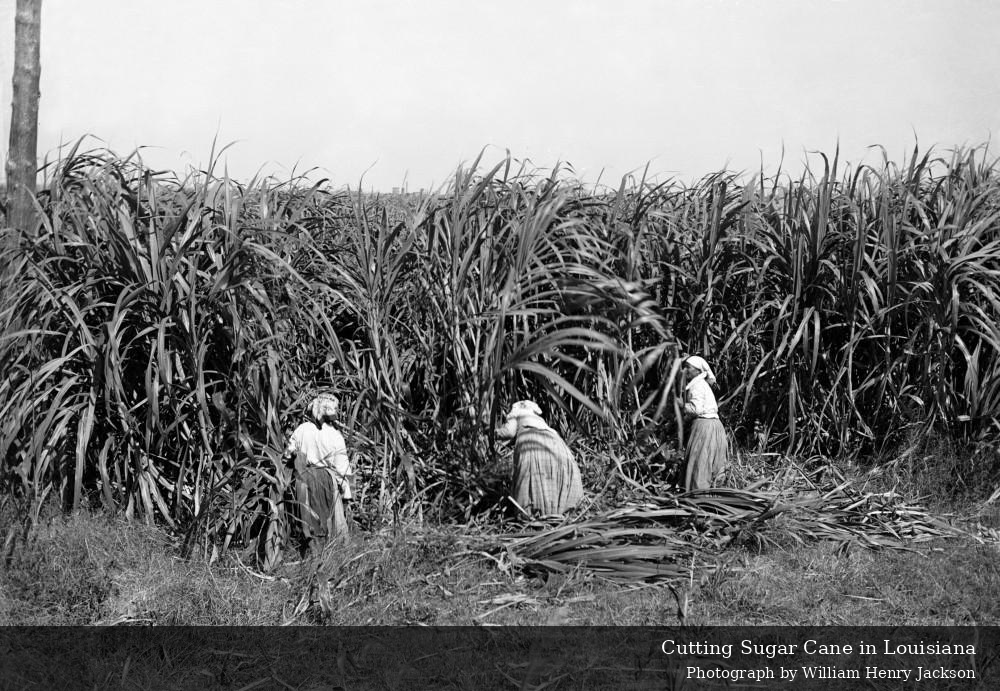
The sugar trade in the Caribbean and the American South was powered by enslaved labor. The global appetite for sweetness expanded plantation systems and hardened economies built on forced work.

Sugar made people wealthy and at the same time, it also cost people their freedom.

Sweet potatoes. Sugar.

Two ingredients that show up on holiday tables and at family gatherings across the South. Ingredients that once meant rationing and forced labor now show up in celebration.

TODAY

At DC Sweet Potato Cake, we don’t separate the taste from the truth. We bake with ingredients that carry history. What once represented endurance now represents inheritance.

So the next time you take a bite, know this: you’re tasting more than dessert. You’re tasting adaptation. You’re tasting survival turned into something chosen.

You’re tasting legacy, history, and honor.

There is history in this cake.

THE SYMBOLS

Six Symbols. Six Stories.

Symbol 1​

Symbol 2

Symbol 4

Symbol 5

Symbol 6

Symbol 6